CVPR 2020
Learned Image Compression with GMM and Attention
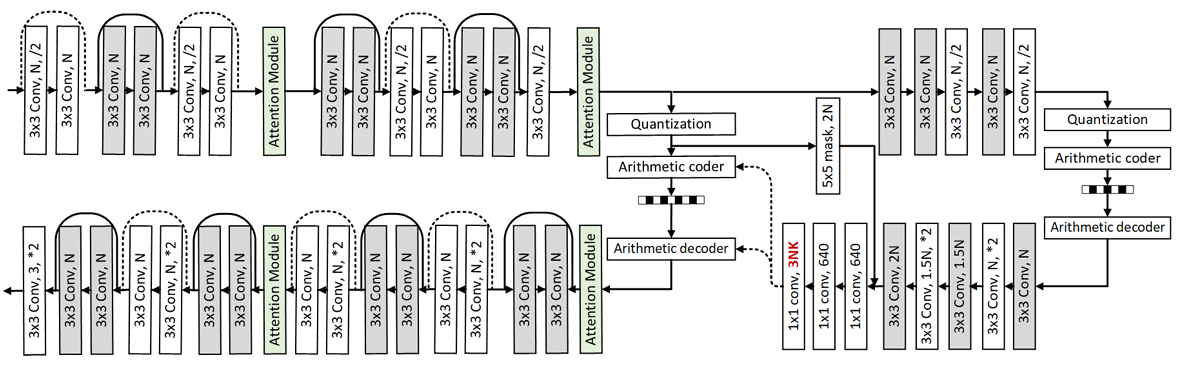
We proposed a learned image compression model incorporating a Gaussian mixture model and attention mechanisms, achieving state-of-the-art performance in 2020.
Detailed descriptions of SUN Lab research topics.
Traditional image compression standards have been developed over more than 30 years. In contrast, learned image compression has demonstrated superior coding performance with neural networks.
We proposed a learned image compression model incorporating a Gaussian mixture model and attention mechanisms, achieving state-of-the-art performance in 2020.
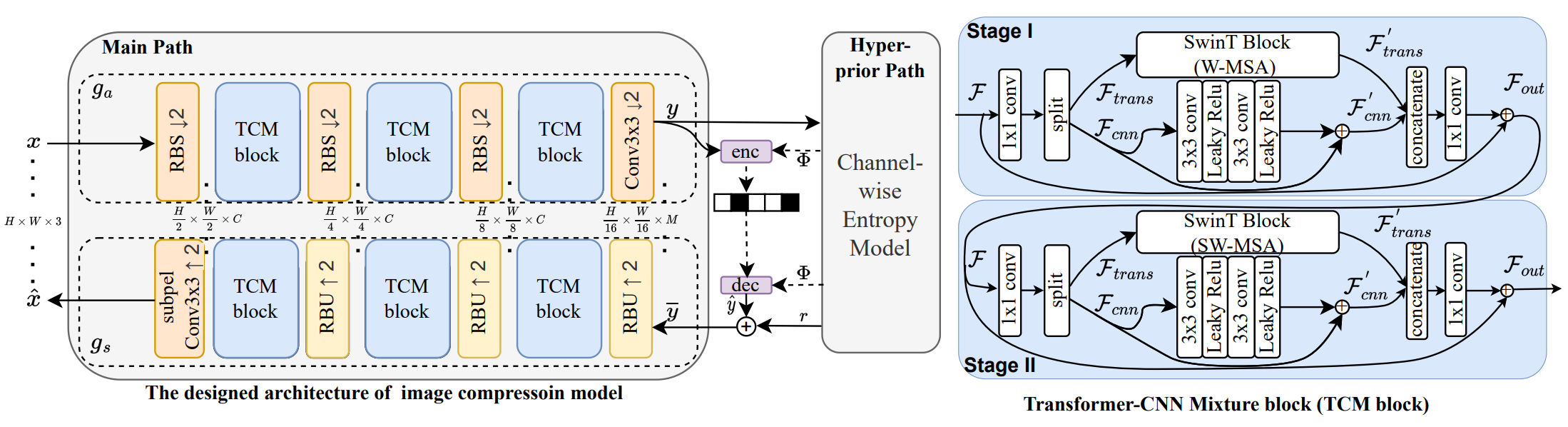
We proposed a framework that combines Transformer and CNN architectures for high-efficiency learned image compression.
Learned video compression has demonstrated superior coding efficiency compared with traditional video compression standards.
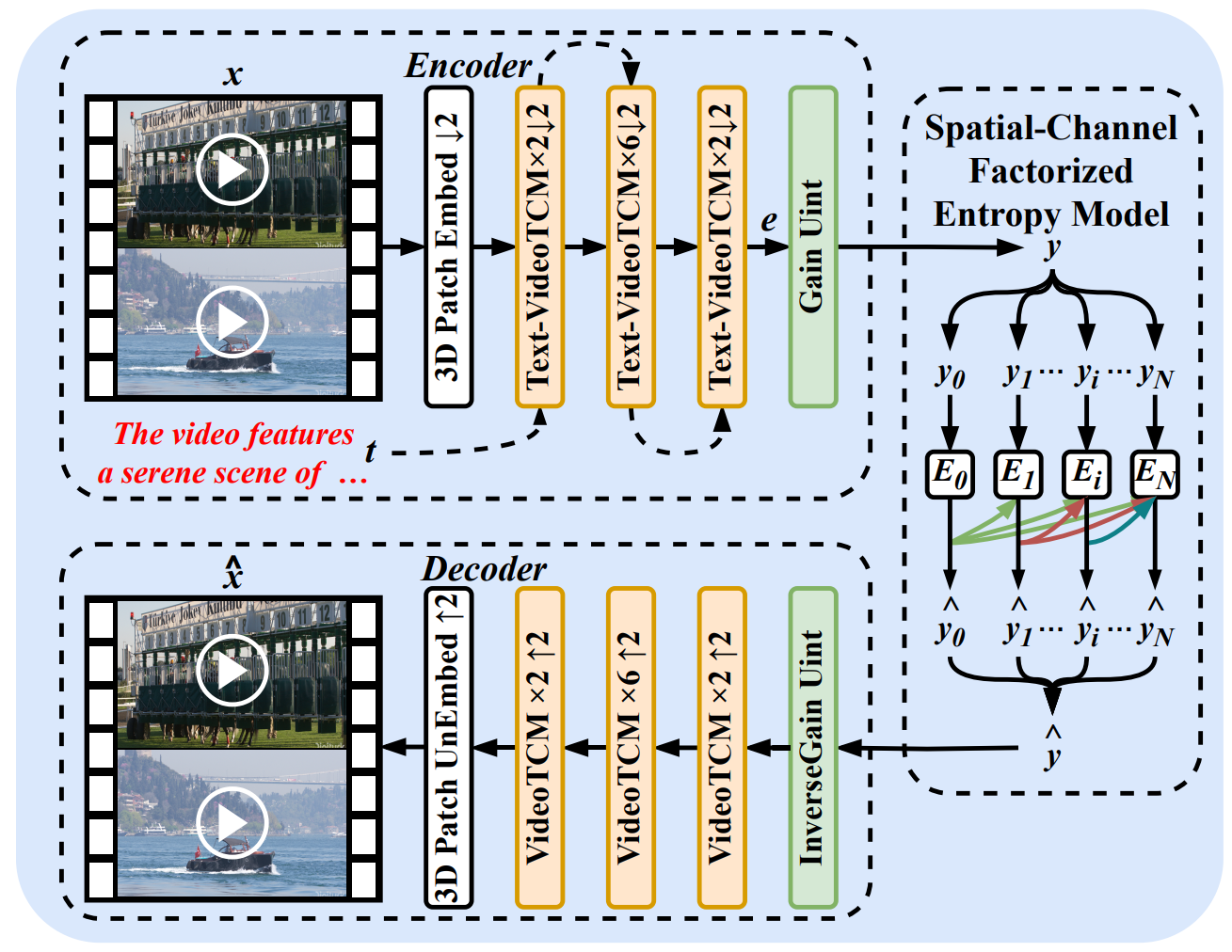
MoVie is a text-guided multimodal video compression framework that combines video-centric Transformer-CNN blocks, dual-stage text fusion, and history-conditioned coding.
We proposed a learned video compression network using feature-level attention to improve coding efficiency.
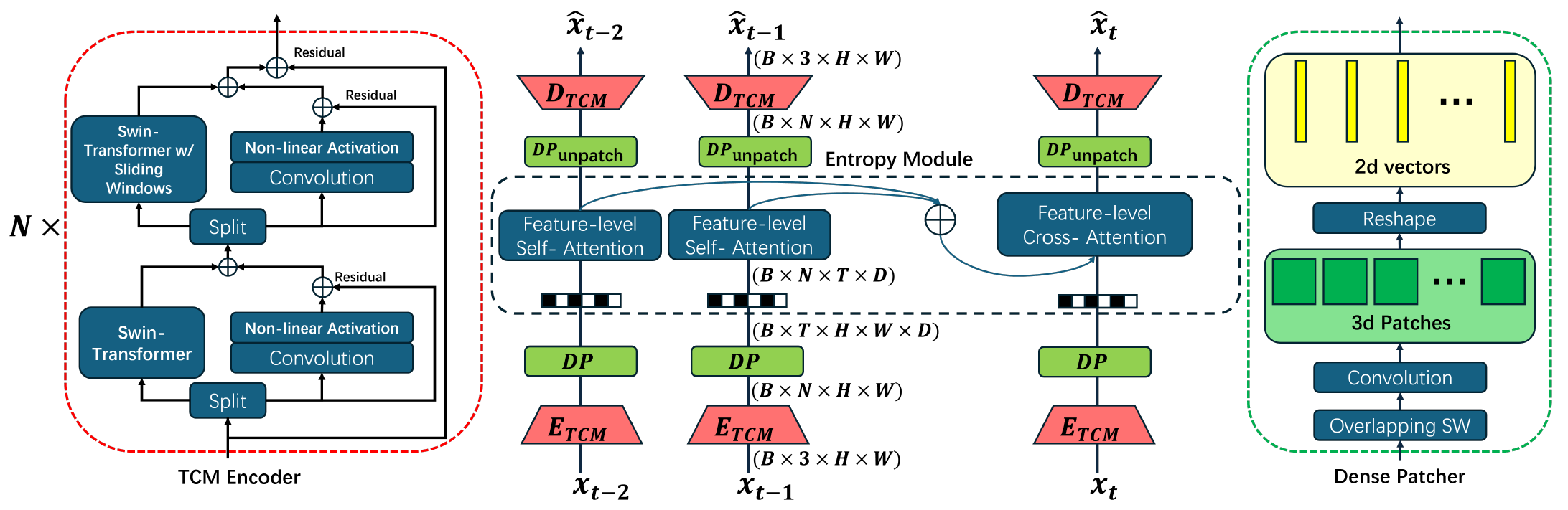
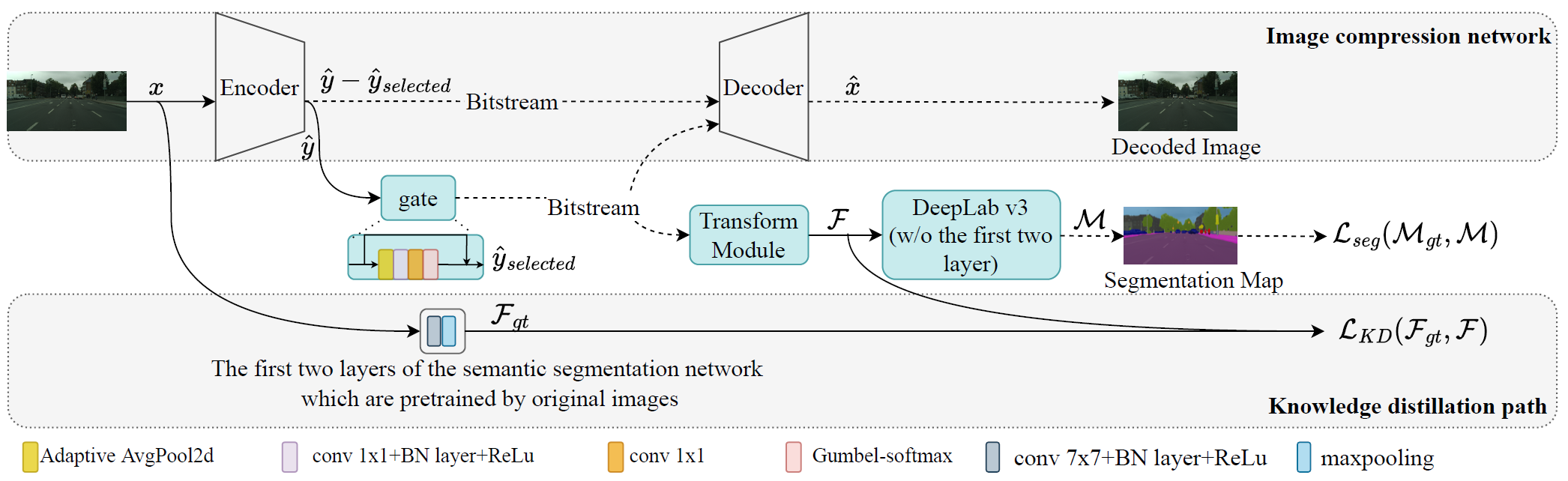
Image coding for machines aims to improve the accuracy of machine vision tasks, such as object detection and tracking, while reducing transmission cost.
We studied semantic analysis directly in the learned compressed domain to support efficient machine-oriented visual coding.
FPGAs provide flexibility, reconfigurability, and high power efficiency. We developed FPGA-based neural engines and applied them to real-time learned image compression systems.
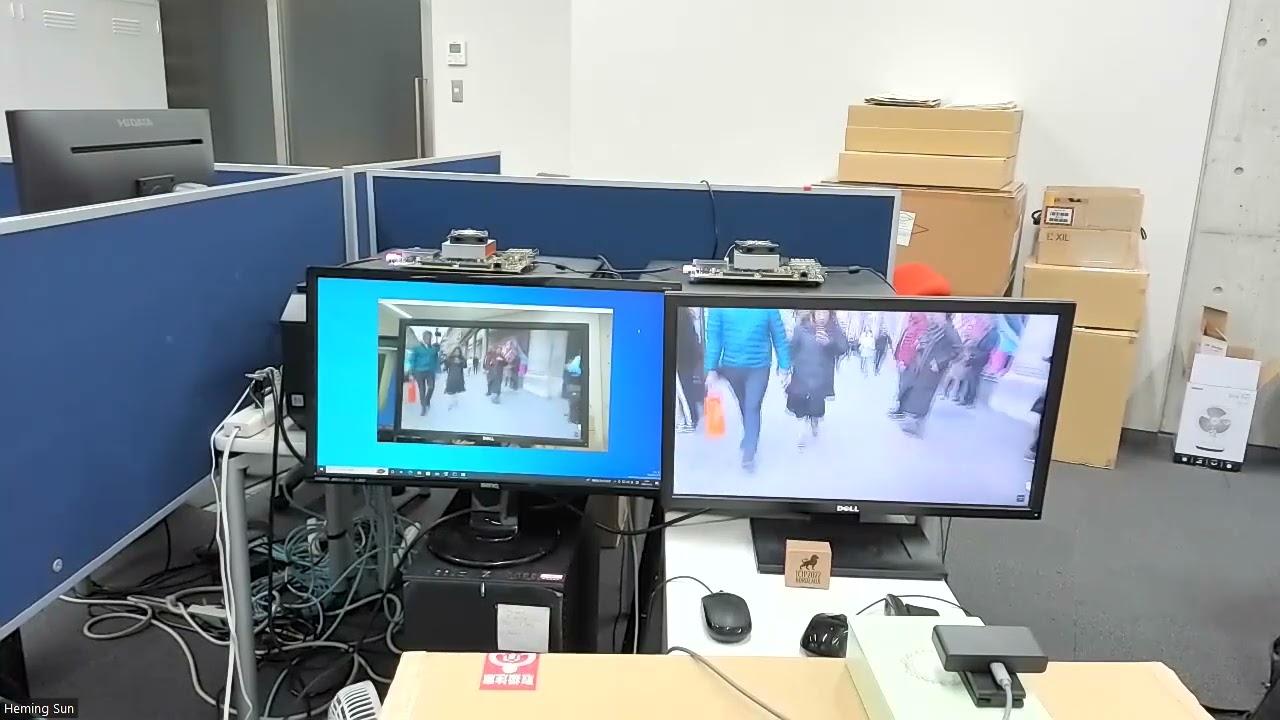
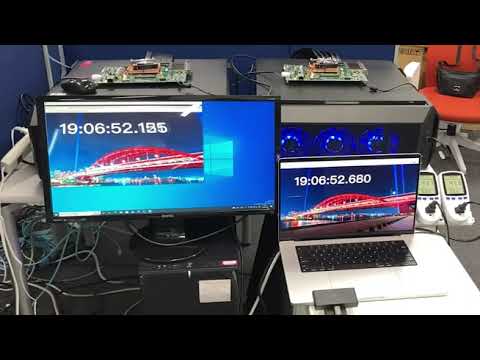
The demo system captures 720p 30 fps video, encodes it on a Xilinx VCU118 FPGA board, decodes it on another FPGA board, evaluates latency and power, and verifies cross-platform operation.
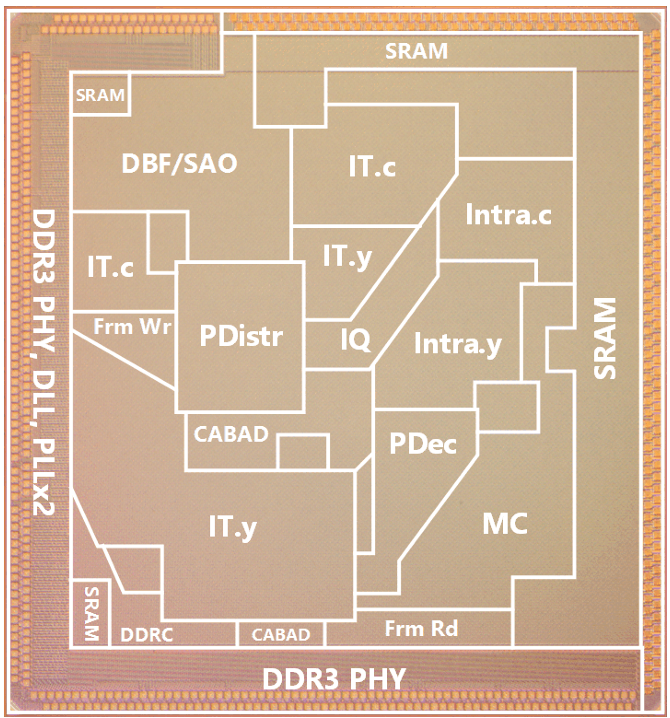
We developed an 8K 120 fps HEVC decoder chip. I was responsible for the inverse transform and dequantization modules.